


Geschichte
Agfa und Agfacolor: Die Revolution der Farbkuppler
Founded in 1867 near Berlin and established along the banks of the Rhine in Leverkusen, the Actien-Gesellschaft für Anilin-Fabrikation (Agfa) shaped the history of European photographic chemistry. From the invention of Rodinal in 1891 to the decisive breakthrough of Agfacolor Neu in 1936, Agfa provided a formidable scientific alternative to American processes.
Zum Merken
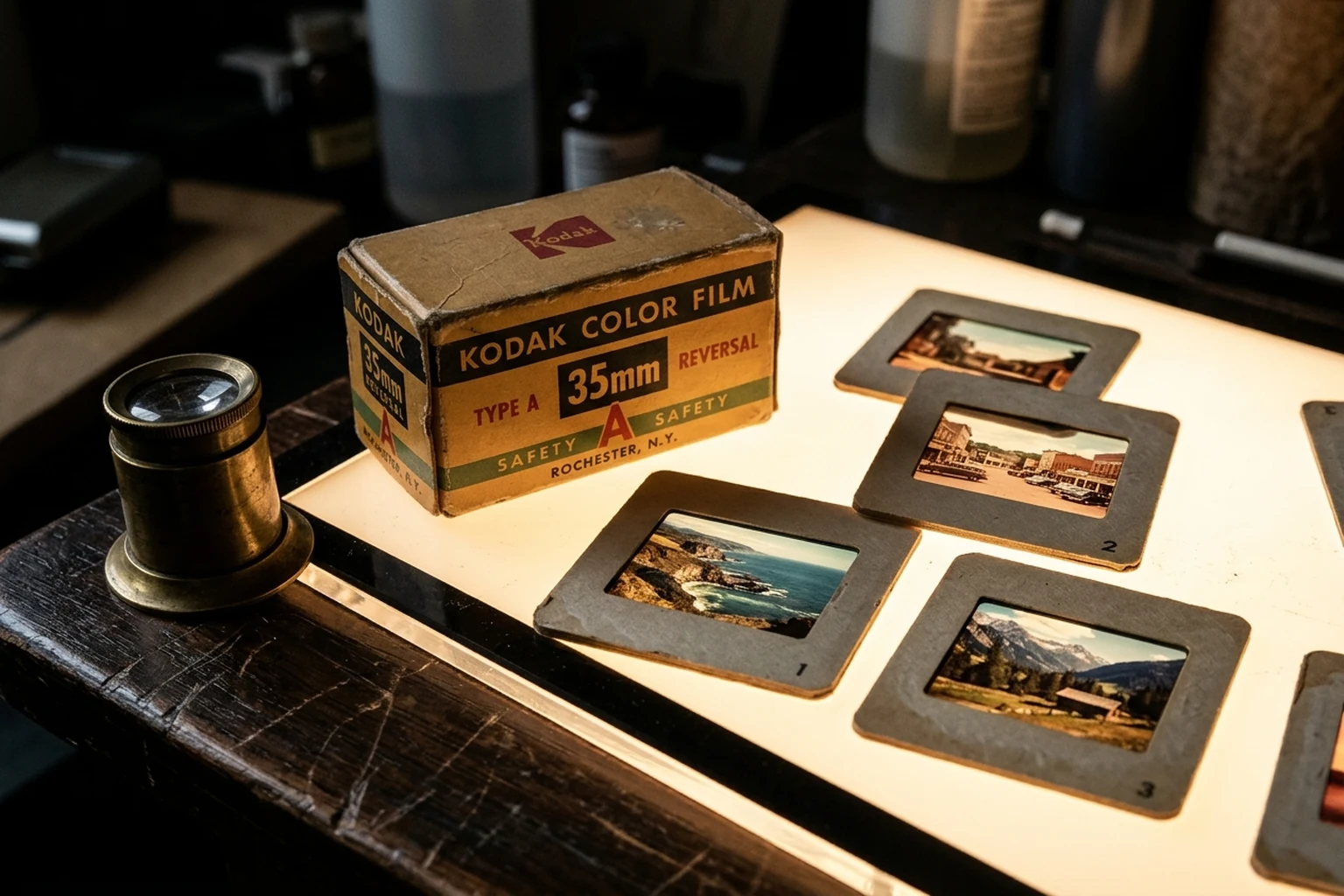
Agfa's historic contribution rests on anchoring non-diffusing dye couplers with long alkyl chains inside the emulsion (Agfacolor Neu), enabling the first single-bath color development, alongside Rodinal, the oldest photographic chemical formulation still in active production.
1867–1891: From Berlin Aniline to the Rodinal Patent
Agfa's history originated in synthetic coal-tar dye chemistry. Paul Mendelssohn Bartholdy and Carl Alexander von Martius founded an aniline factory in Rummelsburg that quickly recognized the immense potential of the burgeoning photographic arts.
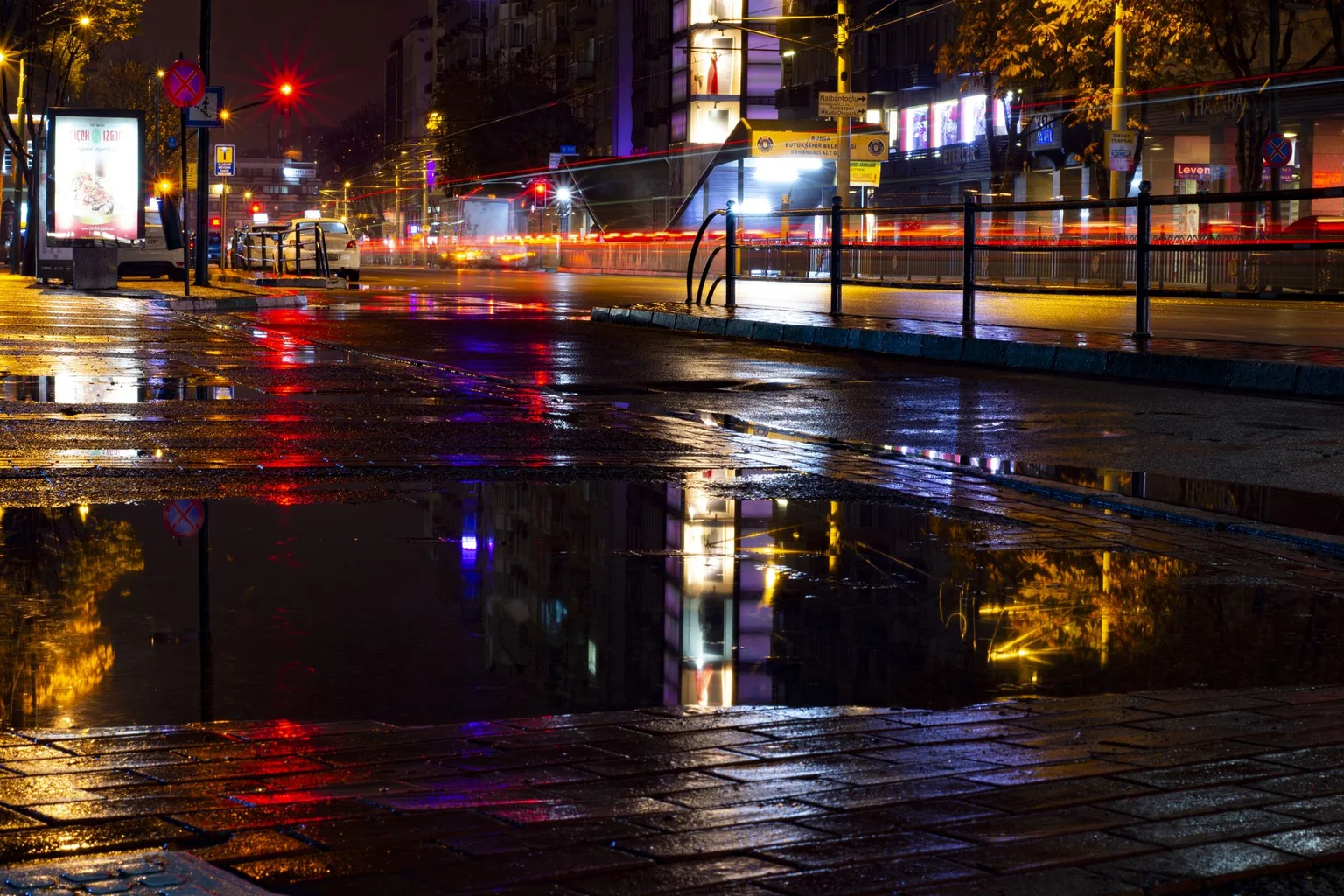
In 1891, chemist Momme Andresen patented a compound that would outlast generations: para-aminophenol in a strongly alkaline base, marketed as Rodinal. This liquid concentrate delivers virtually indefinite shelf life and legendary acutance by keeping silver grain contours razor sharp.
This initial success established German photographic mastery: high-purity organic synthesis created exceptionally stable reagents, laying the technical foundation for the massive industrial expansion into Leverkusen.
Leverkusen: The Rhine Chemical Powerhouse
In the early 20th century, Agfa merged with Bayer and built expansive production facilities in Leverkusen on the Rhine. The site became Europe's premier photographic research center, integrating gelatin plants, cellulose triacetate polymer synthesis, and precision coating lines.
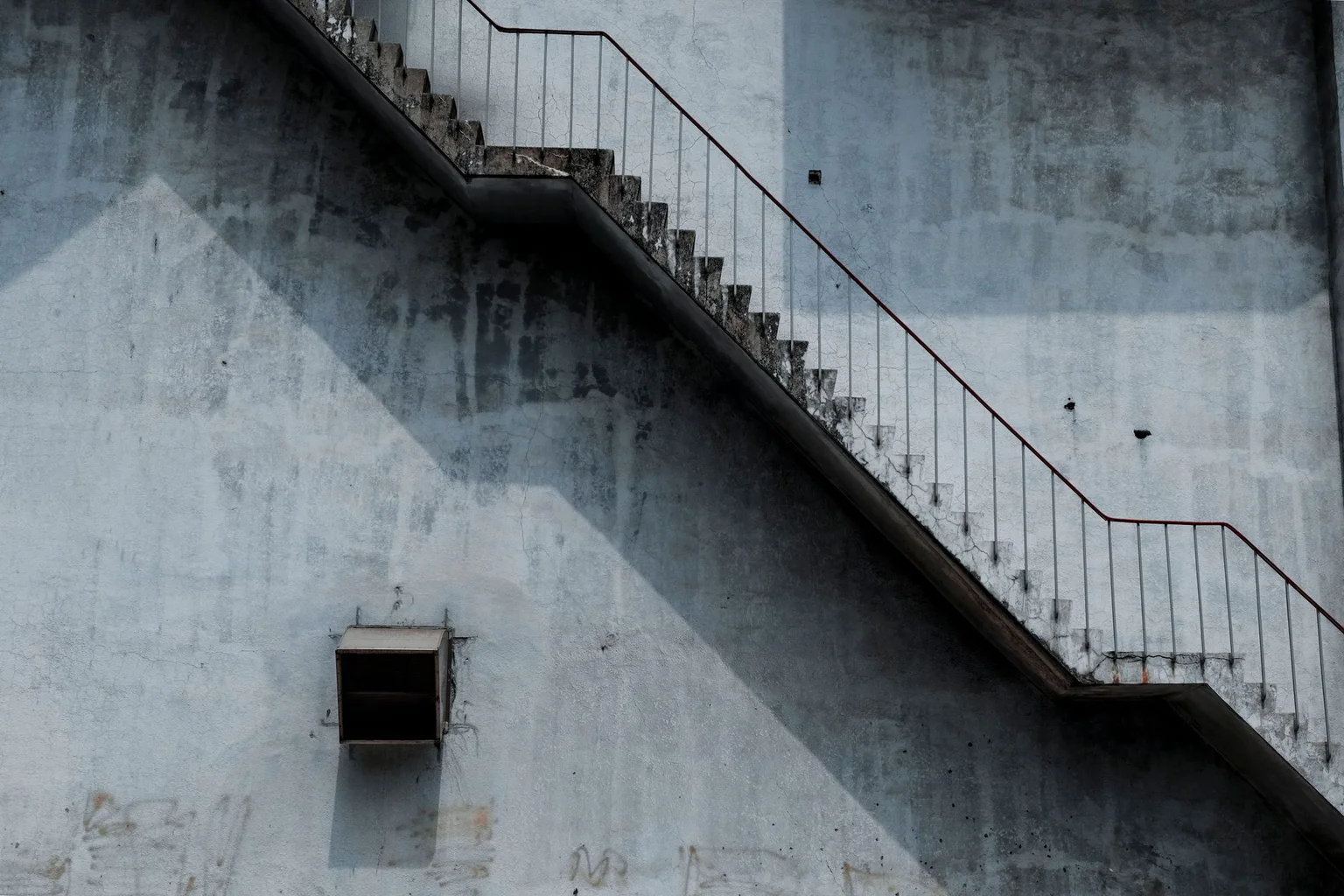
Proximity to core chemical manufacturing enabled total quality control: producing high-grade acetic acid for safety film bases, precipitating ultra-pure silver halides, and preparing heavy baryta papers for darkroom masters.
Leverkusen served as an open-air laboratory where physicists and chemical engineers worked together to calibrate emulsions capable of performing from equatorial heat to sub-zero alpine conditions.
1936: Agfacolor Neu and Non-Diffusing Couplers
In 1936, chemists Gustav Wilmanns and Wilhelm Schneider achieved what Kodak thought was impossible: integrating color couplers directly into each emulsion layer without cross-bleeding during chemical processing.

Their genius lay in attaching long, heavy aliphatic fatty acid chains to the coupler molecules, acting as molecular anchors that physically prevented cyan, magenta, and yellow dyes from wandering across layers in the developer bath.
Unlike American Kodachrome, which required complex multi-stage development with color re-exposures, Agfacolor Neu enabled modern single-developer processing. This architecture became the universal foundation for all subsequent modern color films.
The Golden Age of European Color Cinema
Agfacolor liberated European cinema from cumbersome three-strip Technicolor rigs. On-location filming became seamless with standard 35mm motion picture cameras, ushering in a delicate pastel palette of remarkable naturalism.
Agfacolor stock earned acclaim for nuanced skin tones and subtle earthy greens, distinctly different from the high-saturation, punchy contrast favored by contemporary Hollywood productions.
Following World War II, Eastern factories were nationalized under the ORWO (Original Wolfen) trademark, while Leverkusen resumed Western operations, providing key emulsion stocks to French New Wave and European auteur directors.
APX and Record Rapid: The Monochrome Legacy
Alongside color innovation, Agfa maintained world-class black-and-white emulsions: APX 25, 100, and 400. APX 25, in particular, remains revered among art photographers for its extraordinary resolution, resolving microscopic architectural textures on tripod setups.
In the darkroom, Agfa Record Rapid chlorobromide silver paper attained near-mythic status: its deep, warm-toned blacks and heavy baryta base offered tonal gradations that modern papers struggle to replicate.
Humanist photographers frequently entrusted their master negatives to these materials, captivated by the smooth highlight-to-shadow transition and legendary archival permanence.
The 2004 Insolvency and Artisanal Renaissance
The rapid rise of digital photography around the millennium delivered a fatal shock to Leverkusen. Unable to sustain massive continuous coating lines, the consumer AgfaPhoto division declared bankruptcy in 2004.
Yet Agfa's chemical heritage did not vanish. Dedicated enterprises like ADOX in Germany acquired original formulas, master reactors, and patents for Rodinal (rebranded Adonal) and APX, re-establishing boutique coating lines in Bad Saarow.
Today, Agfa's chemical lineage continues in darkroom developing tanks worldwide, reminding photographers that the dye and silver halogen science perfected in Leverkusen remains the cornerstone of modern imaging.
Quellen und weitere Lektüre
Über diesen Artikel
Dieser Artikel wurde mithilfe von Codex und Astra auf Grundlage der angegebenen Quellen verfasst. Die Schaubilder dienen der Erklärung; Dokumentarfotos behalten ihre Urheberangaben und Lizenzen.
Vom Lesen zum Fotografieren
Filme entdeckenWeiterlesen
Alle Beiträge
Warum ist Farbnegativfilm orange?
Unvollkommene Farbstoffe, integrierte Maskierung und Umkehrung: Was die Färbung bedeutet und warum sie keinen warmen Bildlook festlegt.
Beitrag lesen
Farbnegativ und Dia: zwei Wege zur Farbe
Farbstoffbilder, Orange-Maske und die Unterschiede zwischen C-41, E-6 und RA-4-Farbvergrößerung verstehen.
Beitrag lesenDiesen Artikel teilen
Eine Idee zum Weitergeben.