

Understanding
Why the same colour changes under different light
A jacket looks green in a shop and brownish outside. A face becomes difficult to correct under particular lamps. Two matching prints stop matching near a window. The cause is not always the film or software: colour comes from light, material and observer together. Understanding that relationship helps you choose the light before searching for the right slider.
Remember this
White balance can correct a cast, but it does not describe the entire spectrum of a light or recreate information that was not recorded. Two materials can match under one illuminant and separate under another: a case of illuminant metamerism. A kelvin value cannot predict every object colour.
Light supplies what a material can reflect
For an opaque, non-fluorescent object under fixed illumination and viewing geometry, the returning light depends on the illuminating spectrum and the material’s spectral reflectance. The material does not reflect all wavelengths equally. An observer or photographic system then responds with its own sensitivities. Calling the object red compresses that whole chain into one convenient word.
Imagine a cloth reflecting some spectral regions strongly and others weakly. If the light provides very little energy in an important region, the cloth cannot reflect a large quantity of absent light. No measured fabric curve is required to understand the principle: changing the lamp can change the result before any editing takes place.
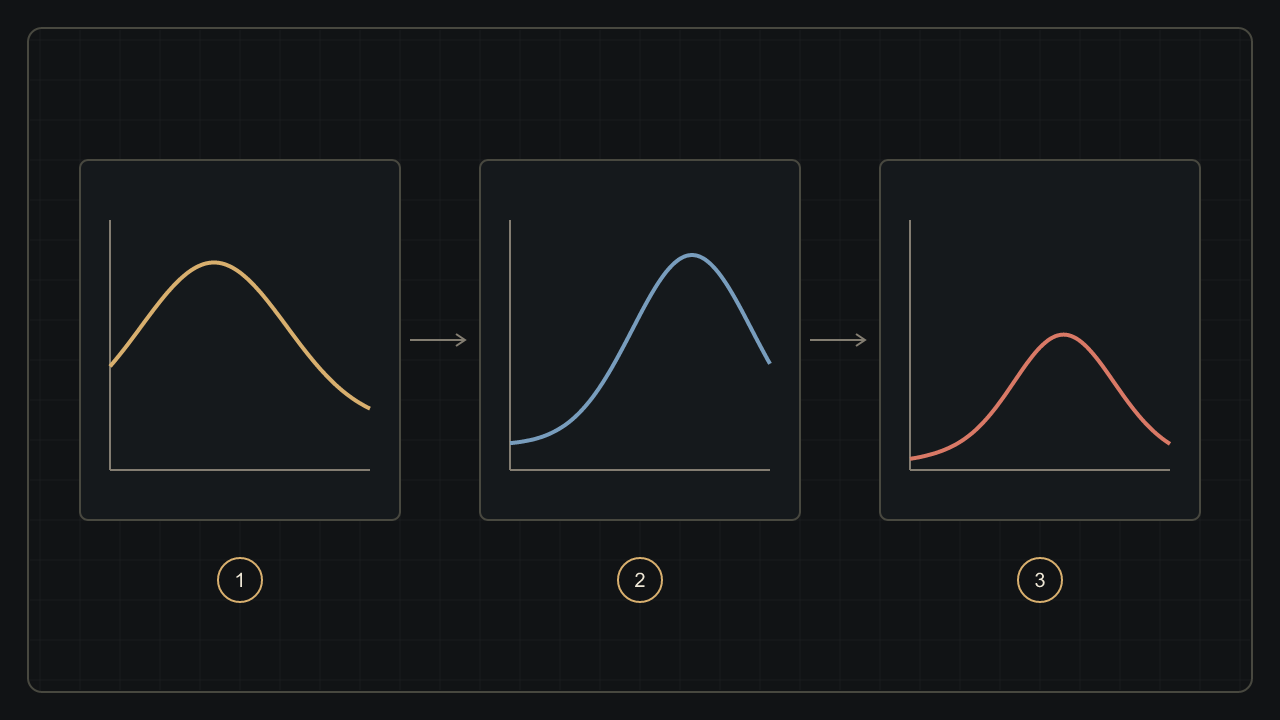
This model has deliberate limits. Surface reflections, lighting direction, texture and fluorescence can also matter. An object photograph is not a laboratory analysis of its pigment. To explore the material recording that light, read how photographic film works.
Metamerism: a match that may disappear
Different spectral distributions can yield the same tristimulus values in a specified colour system. This is metamerism. Two surfaces can have different reflectances yet match under a particular illuminant and observer. A colour change in one object alone is therefore not sufficient to establish a metameric pair.
Two fabric samples that appear matched in a room may separate under different illumination: one looks greener and the other redder. Not every pair separates under every new lamp. The point is that a match established in one condition is not a promise of a match everywhere. Both the light and the observation conditions belong to the comparison.
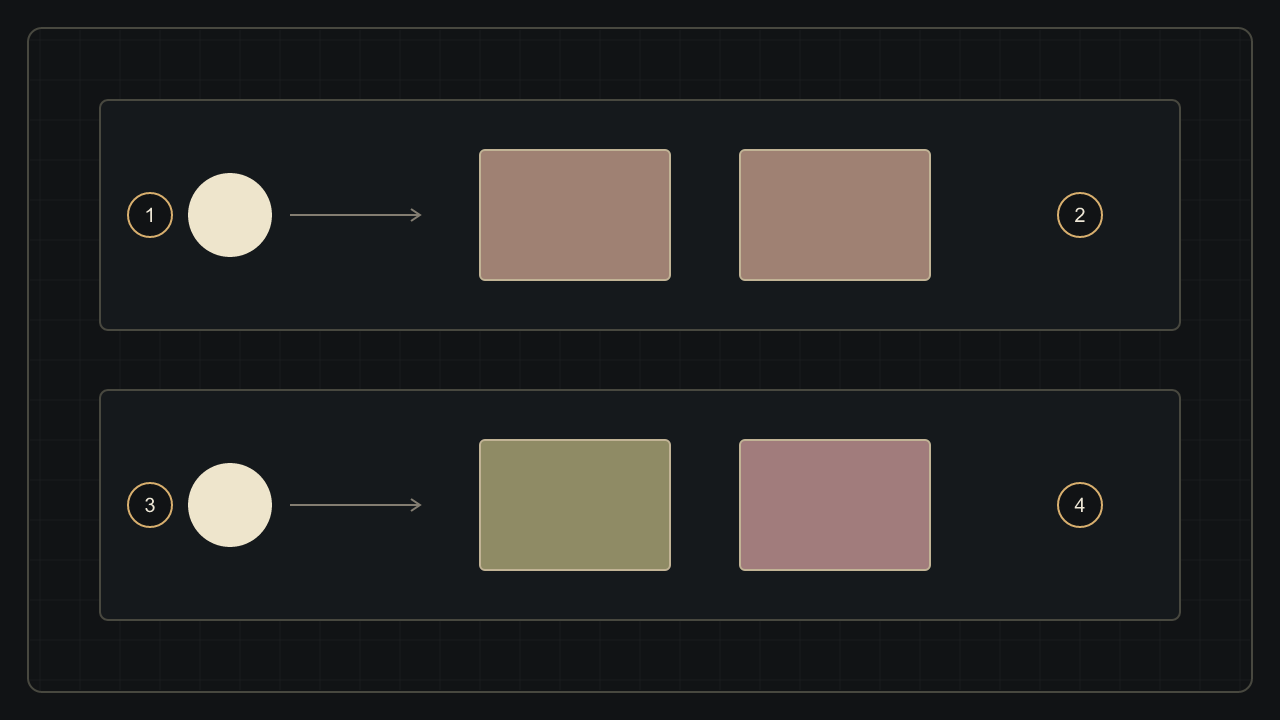
When comparing garments, reproductions or prints, record the viewing light and put the samples under the same conditions. The diagram illustrates a possibility, not measured real materials. A screen cannot by itself reproduce their physical spectra or predict their match under every lamp; displayed colour patches are a teaching representation only.
Kelvins do not specify a lamp’s complete recipe
Correlated colour temperature, or CCT, relates a source chromaticity to the nearest relevant Planckian radiator chromaticity. It is expressed in kelvins. The concept has limits: it should not be used indiscriminately for light whose chromaticity is too far from the Planckian locus. An intensely green sign is not usefully described by warmth or coolness alone.
Even for two white sources close to that locus, equal CCT does not mean equal spectra. Different LED mixtures can target nearby white chromaticities while distributing energy differently across wavelengths. Objects illuminated by them need not render identically. The colour of white light and the rendering of objects are related but separate questions.
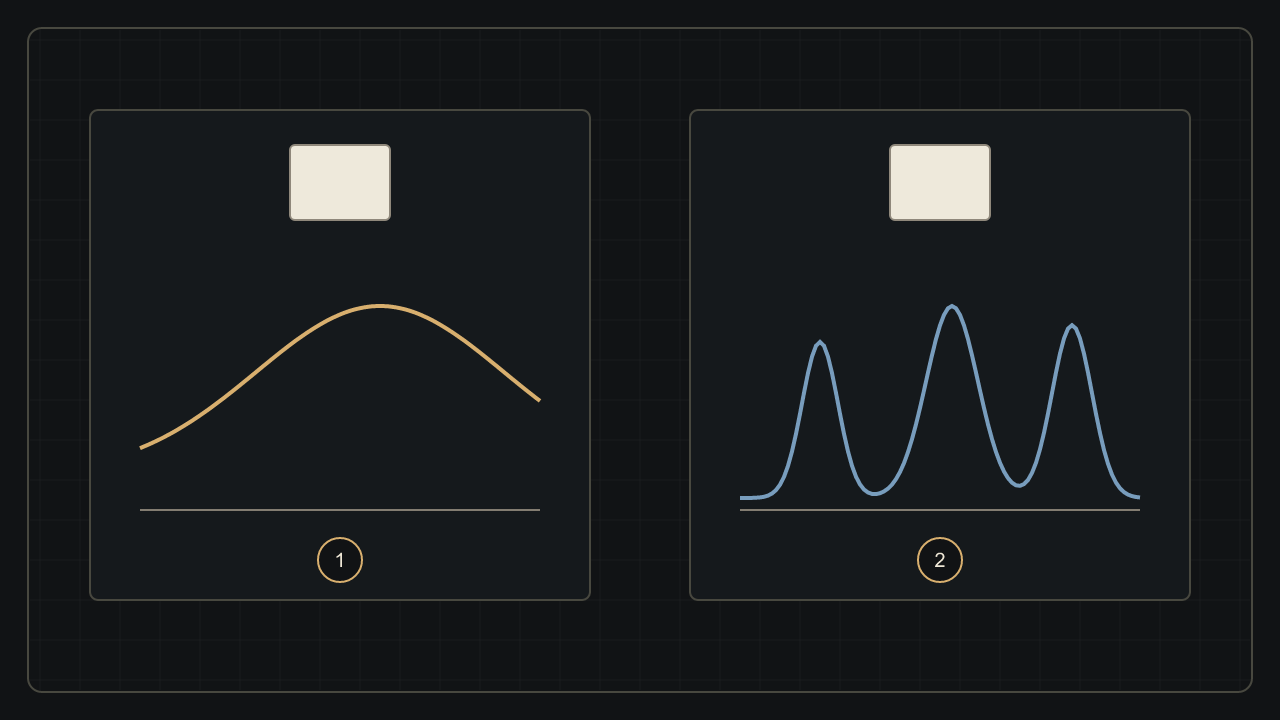
Colour-rendering metrics provide other information within their particular methods and limits. One score cannot describe every skin tone, pigment or textile you might photograph. For an important shoot, testing the real subjects with the actual sources is more informative than selecting a lamp solely by its kelvin value.
White balance cannot correct every cause
White balance seeks a neutral rendition appropriate to the lighting or to a creative intention. With physical film, daylight or tungsten balance and conversion filters are part of that choice. Kodak suggests an 85 filter for daylight use of VISION3 500T; this is guidance for that stock rather than a universal recommendation for every film.
A filter in front of the lens changes transmitted proportions and usually reduces available light. It does not create wavelengths missing from the scene. A correction after scanning instead operates on recorded information. If two materials became indistinguishable in that recording, a global correction cannot be assumed to reconstruct their original physical difference.
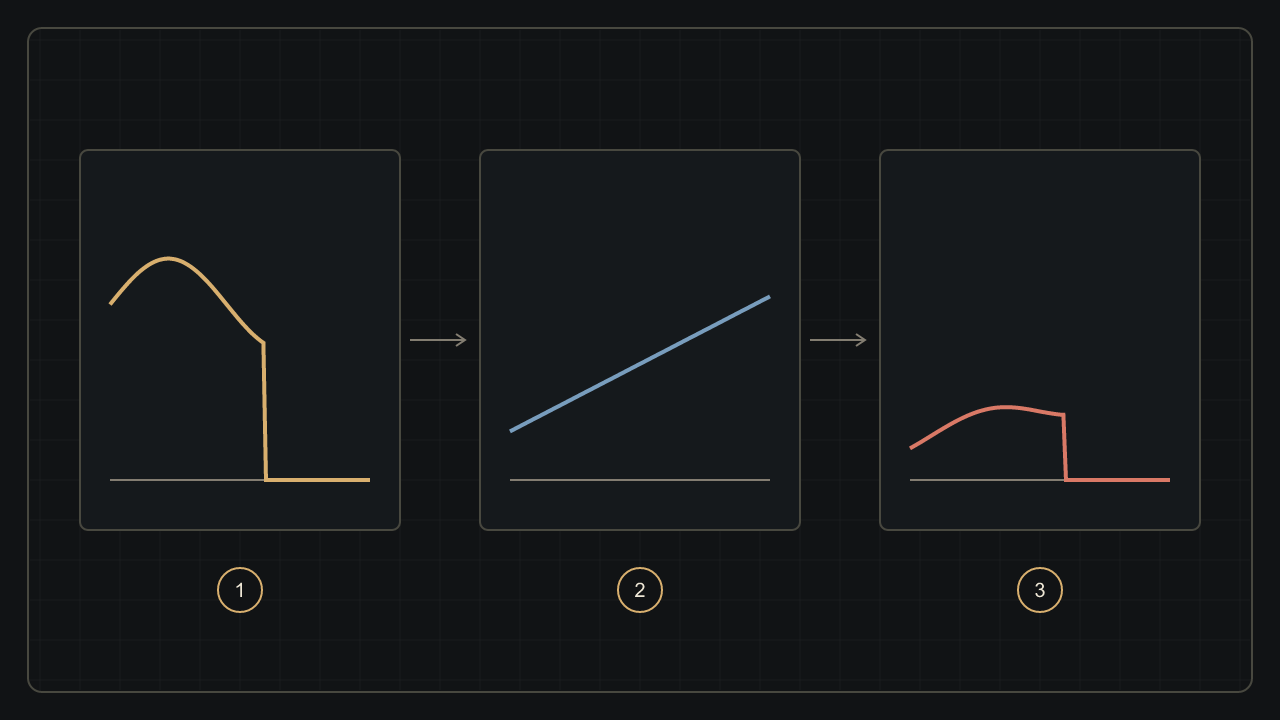
Making a reference neutral therefore does not guarantee perfect rendering of every object. A face may demand other choices than a neutral background. Technical correction, colour characterization and creative interpretation are different tasks. The article on colour vision also explains why surrounding context affects our impression of neutrality.
Mixed illumination may resist a single neutral setting
A window and a household lamp can illuminate different parts of the same face. Their contributions vary with position, shadows and surroundings. Where spectra differ, one global white-balance setting cannot be assumed to make all regions look like a scene lit by one uniform source. The difficulty begins with the lighting rather than necessarily with the editing tool.
Moving the subject, choosing a dominant source or reducing an unwanted light is often more effective than accumulating later corrections. Coloured walls and nearby clothing can reflect tinted light onto skin. The mix therefore includes more than lamps visible in the frame; things outside the picture may contribute too.
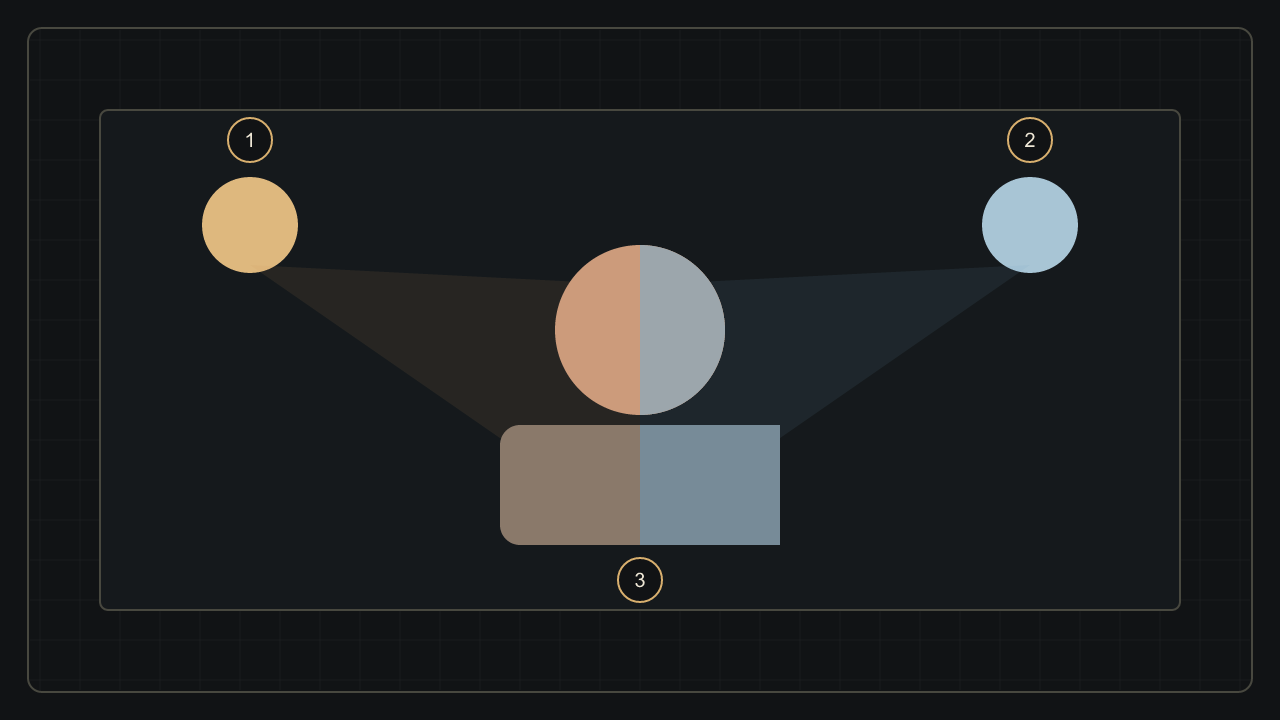
LED lighting is not inherently bad, and an older lamp is not automatically faithful. Test the actual source at the output and settings used. Some lamps change behaviour when dimmed. Requirements also differ: preserving colourful atmosphere may be intentional, whereas a painting reproduction calls for more controlled conditions.
A practical comparison before correction
Put a photographic neutral reference in the subject’s light and expose without clipping important channels. Ordinary white paper is not necessarily spectrally neutral: dyes, optical brighteners and reflections can matter. The reference helps compare a situation; it does not automatically turn a camera into a measuring instrument or establish perfect colour accuracy.
Photograph the same subject under the lights being tested, recording source, setting, position and processing. Keep an original and comparison versions. Inspect neutrals but also skin, reds, blues and important materials. If the neutral is corrected while a fabric still differs, investigate the spectral relationship rather than only changing a temperature slider.
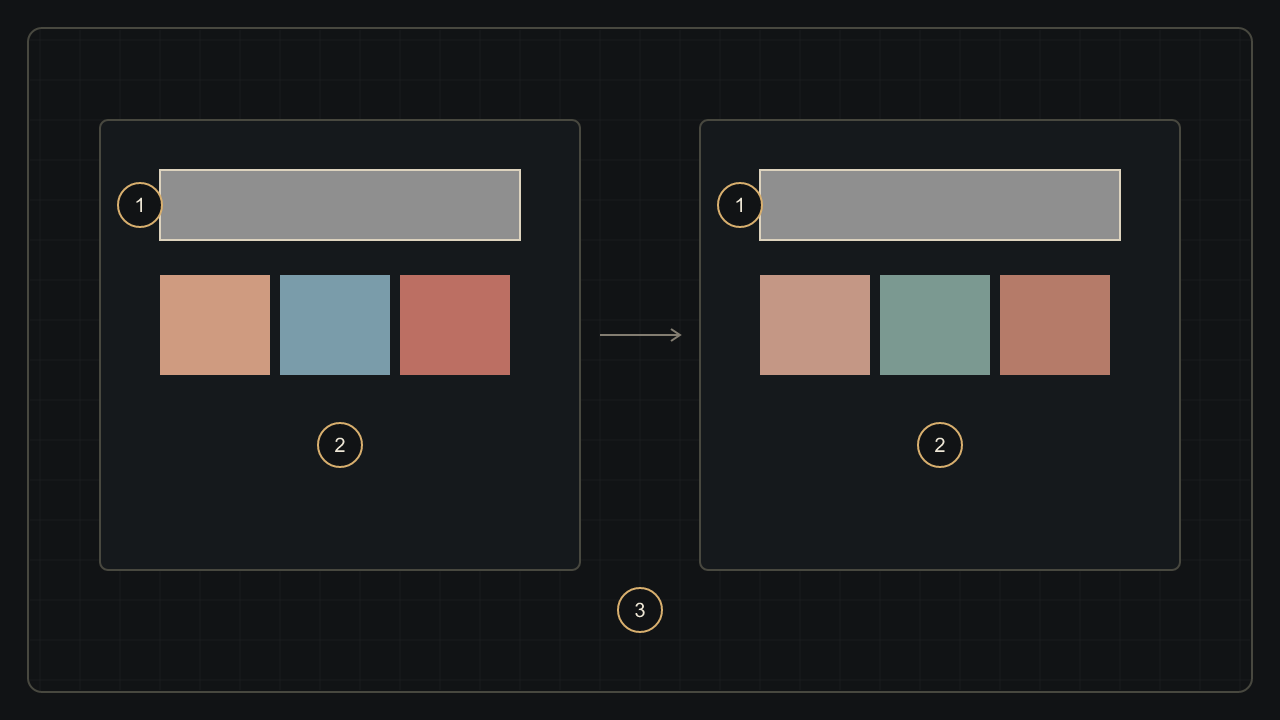
Finally, judge images through a consistent reproduction chain. A different profile or display can add another difference to the lighting change. Correcting the lamp to compensate for misinterpreted display data does not solve the original problem. Separating capture, correction and reproduction supports a more accurate diagnosis and more deliberate creative decisions.
Sources and further reading
- NIST — Spectral Reflectance and Transmittance
- CIE — International Lighting Vocabulary: metamerism (17-23-006)
- CIE — Correlated colour temperature (17-23-068)
- U.S. Department of Energy — Understanding LED Color-Tunable Products
- Kodak — VISION3 500T 5219/7219: daylight colour-conversion filter
- International Color Consortium — Spectral estimation: multiple spectra can map to the same colorimetry
- NIST — Color rendering of light sources
- Calibrite — ColorChecker White Balance: spectral neutrality and ordinary paper
- Messier, Baas, Tafilowski & Varga — Optical Brightening Agents in Photographic Paper, JAIC 44 (2005)
From reading to making images
Explore light adjustmentsKeep exploring
All stories
Colour is not just in the pixel: how our eyes construct it
Cones, context, constancy and colour vision differences: why identical RGB values do not always create the same impression of colour.
Read the story
Why your photograph changes colour from one screen to another
sRGB, Display P3, ICC profiles and export: understand what changes a photograph’s colours between editor, browser and screen.
Read the storyShare this article
An idea worth passing on.