

Histories
Polaroid: how a photograph learned to appear immediately
A photograph appearing in your hand seems to bypass the darkroom. Instant photography actually brings processing closer to exposure, arranging reagents, layers and handling within one system. Its history concerns portable chemistry and a physical object that changes the relationship between the photographer and the person looking at the result.
Remember this
Three milestones matter: the 1947 demonstration, the Model 95’s commercial launch in 1948, and the SX-70 with integral film in 1972. An instant photograph remains a chemical image, with appearance and development influenced by the material, exposure and working conditions.
1947 and 1948 mark different achievements
On 21 February 1947, Edwin Land demonstrated instant photography to the Optical Society of America in New York. An image was revealed during that presentation. This was a decisive public demonstration, but it should not be described as the date when the first consumer camera went on sale.
The Land Camera Model 95 reached customers on 26 November 1948 at Jordan Marsh in Boston. Making that possible required more than a working laboratory result. Camera, film, reagents, manufacturing and instructions had to form a repeatable product. The invention was an entire dependable system rather than an isolated camera body.
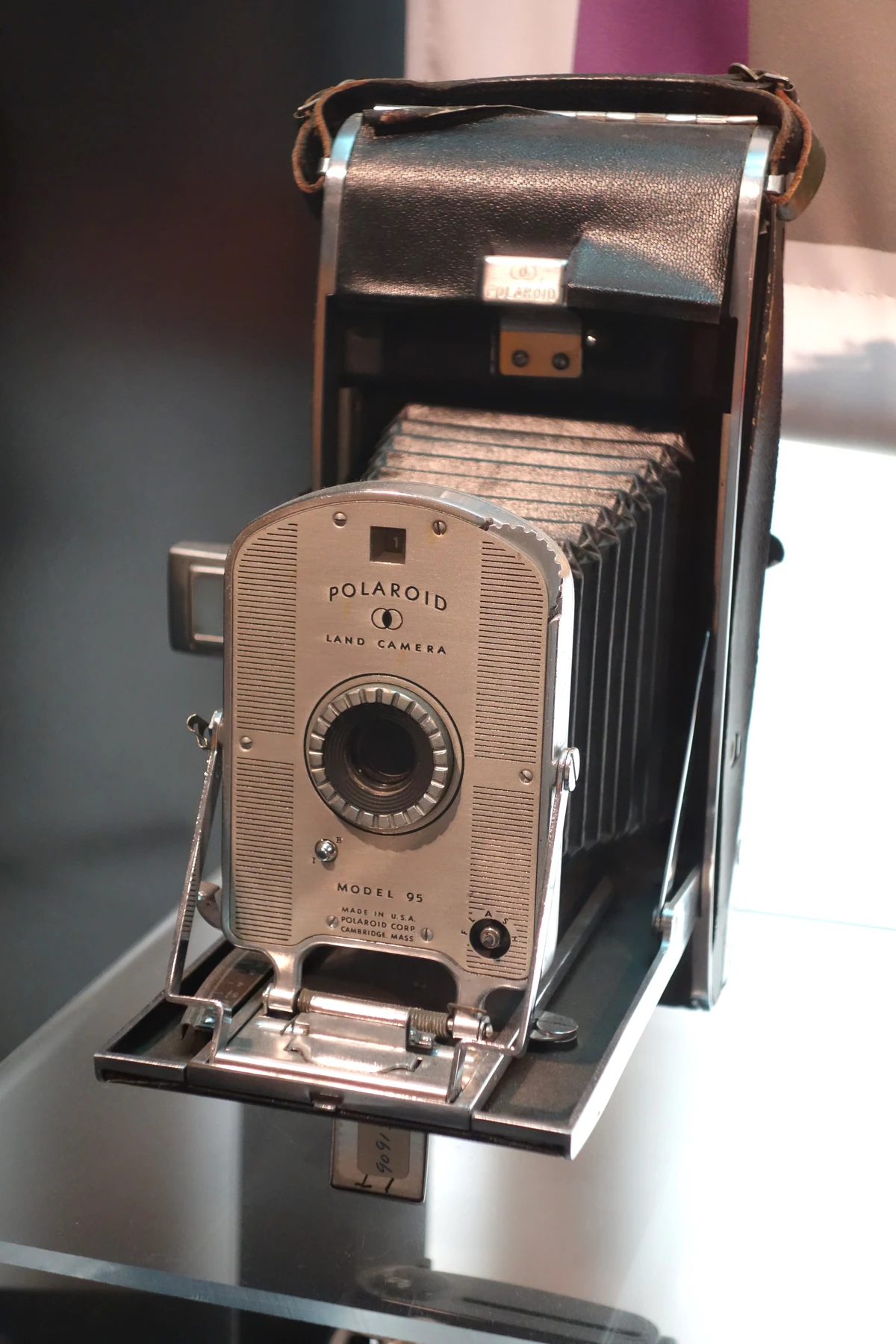

This distinction is useful whenever we read photographic history. Experiments, patents, demonstrations, production and public availability may have different dates. Calling something simply a 1947 invention hides that progression. The Model 95 shown here is a documented collection object, not a reconstruction of the original demonstration.
A small laboratory built around image transfer
Early Polaroid systems used diffusion transfer. After exposure, reagent was distributed between photographic elements held in contact, and chemical reactions formed an image in a receiving layer. The result was neither an inkjet print nor a hidden display: a light-sensitive material was being transformed into a visible picture.
With the earliest films, the photographer waited and then separated the components. The Model 95 initially produced sepia photographs; true black-and-white and colour materials followed later. It is misleading to describe that first camera as though it used present-day integral sheets, whose components stay together after exposure.
Instant is consequently a relative term. The system greatly shortened the interval between taking and seeing a photograph without making chemistry infinitely fast. Identifying the film type matters as much as naming the camera. Two white-bordered photographs may involve different processes, generations and preservation requirements.
1963: colour required another level of engineering
Polacolor instant colour film arrived in 1963. Turning a monochrome system into a colour system meant more than adding a tint. Several light-sensitive responses and the formation of a colour image had to be coordinated while the photographer’s actions remained manageable. A simple user experience concealed a complicated material construction.
Research addressed dyes, their movement and the stability of the image. The layers needed to establish useful colour and density relationships without requiring the photographer to perform every stage of a conventional laboratory sequence separately. This was an integration of processing, not the removal of chemistry or manufacturing difficulties.
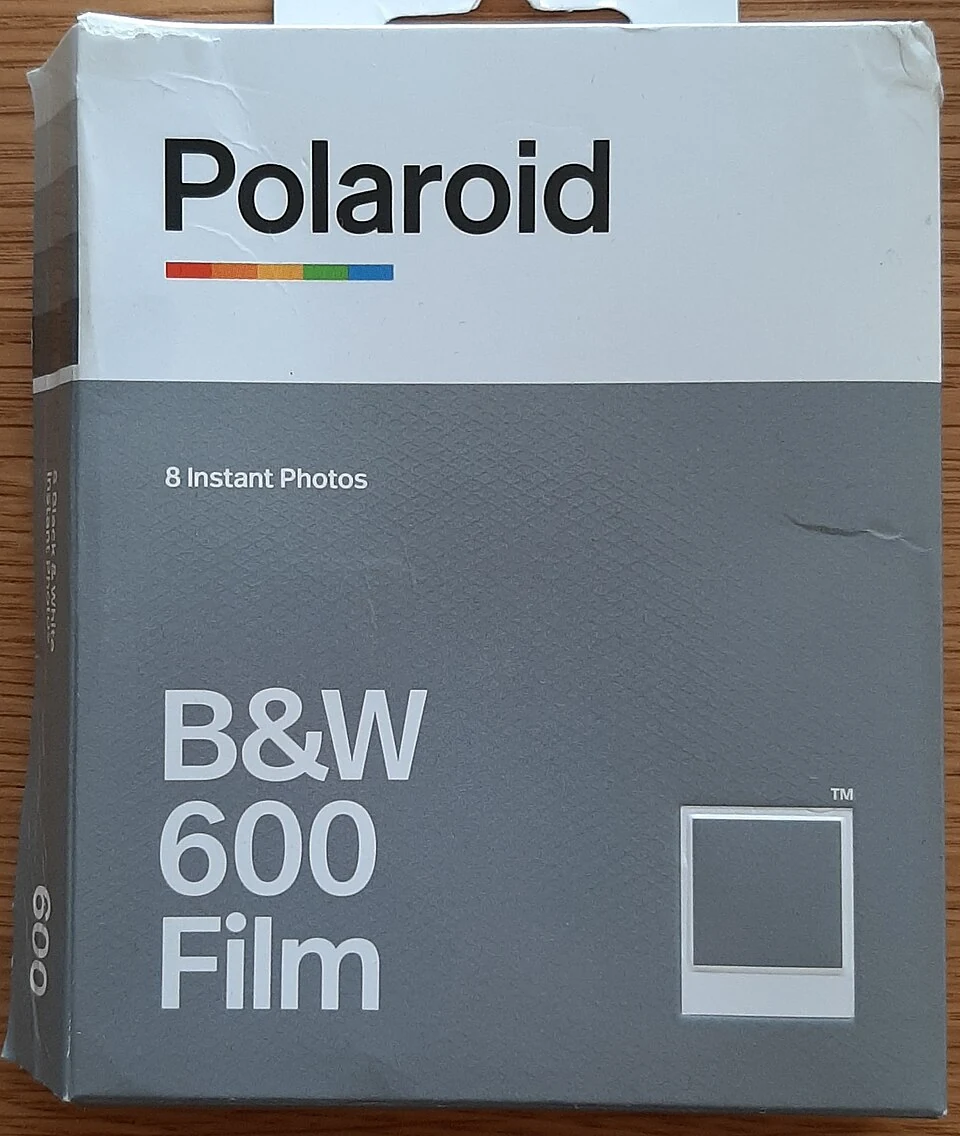

There is therefore no single palette shared by every supposed Polaroid effect. Emulsion, ageing, illumination and exposure all matter. A colour cast in a surviving photograph cannot by itself establish how fresh film originally rendered that scene. The material’s history deserves as much attention as its appeal to a modern viewer.
1972: the SX-70 connected film, optics and handling
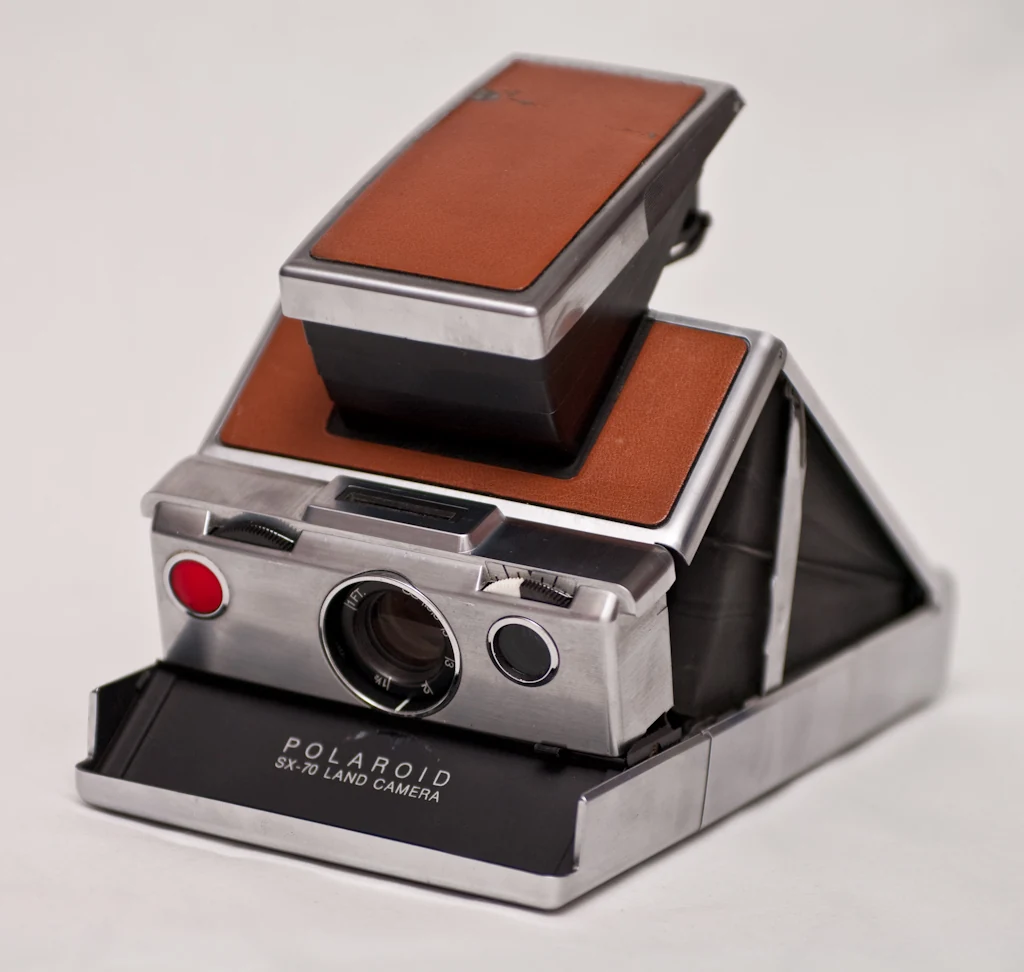
Introduced in 1972, the SX-70 combined a folding design, reflex viewing and integral film. In an integral photograph, the components involved in forming the image remain together in the finished object. The photograph emerges from the camera and continues developing without a negative sheet being peeled away.
Peel-apart and integral consequently describe different systems, not interchangeable names. Integration changes the film path, reagent distribution and handling after exposure. The photographer receives an assembled object, although chemical development is still proceeding while the image appears to become clearer.
The SX-70 also makes an interesting design lesson. A folding body must preserve a functioning optical and mechanical arrangement when opened. Its photograph lets us inspect actual hinges, viewing components and front panel. It documents a real camera rather than pretending to reveal invisible film layers through its exterior.
A photograph becomes an object people can share
The change was not exclusively about speed. A photograph could be viewed together, annotated or given away while the original encounter was still unfolding. Those are opportunities offered by the medium, not guarantees of a particular emotion. An instant print can test lighting, preserve a face or reveal what framing excluded.
The National Portrait Gallery notes uses in portraiture, studio work and scientific photography. Such contexts move instant photography beyond a purely domestic nostalgia. Rapid access to a physical result changes working conversations: a framing choice can be discussed and attempted again while the first trial remains available to hold.
Looking carefully also means separating the image from its presentation. Borders, writing and handling marks belong to the object, but do not establish how the scene was lit. Photographing a vintage camera, scanning a print and consulting a contemporary archive are different acts; accurate captions should keep them distinct.
Working today without repeating the myths
Polaroid describes the end of its historical instant-film production in 2008, followed by continuity through the organisation associated with the Impossible project. That industrial history helps explain why a familiar brand does not guarantee that a new box has the formula of an old one. Check actual camera compatibility rather than packaging resemblance.
Follow the instructions for the film in use, including storage, temperature and protection during development. Polaroid advises against shaking a developing picture. Movement is not a universal accelerator simply because it became a familiar gesture. Equally, advice written for one particular material should not automatically be applied to every instant process.
A worthwhile exercise is straightforward: select a scene, prepare the light, expose one photograph and examine the resulting object at a normal viewing distance. Notice what comes from exposure, material and development time. Instant photography needs no magical explanation: it makes a genuine photographic transformation tangible.
Sources and further reading
- Harvard Business School, Baker Library — A Polaroid Timeline, 1932–1977
- American Chemical Society — Edwin Land and Instant Photography
- Harvard Business School — Introducing One-Step Photography
- National Portrait Gallery — Polaroid
- Polaroid — Tips for Polaroid photography
- Polaroid — About the company and its photographic history
- Cooper Hewitt, Smithsonian Design Museum — Instant Photography Before the Internet
From reading to making images
Explore filmsKeep exploring
All stories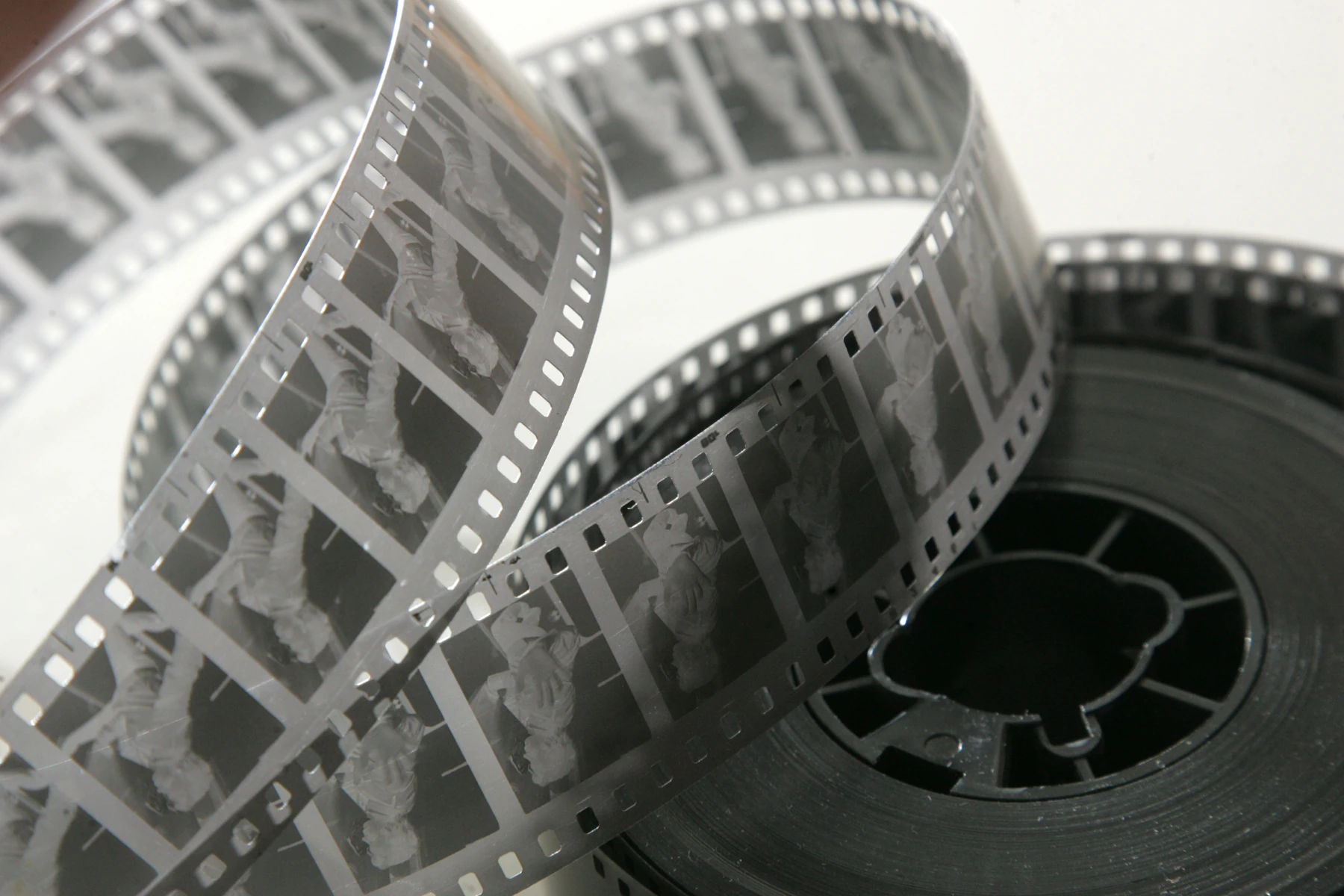

Film: light becomes matter.
How an emulsion records light, how development reveals the image and how photographic film is manufactured.
Read the story
A lens is more than glass.
From optical glass and polishing to coatings and assembly: the steps and compromises that shape a photographic lens.
Read the storyShare this article
An idea worth passing on.