
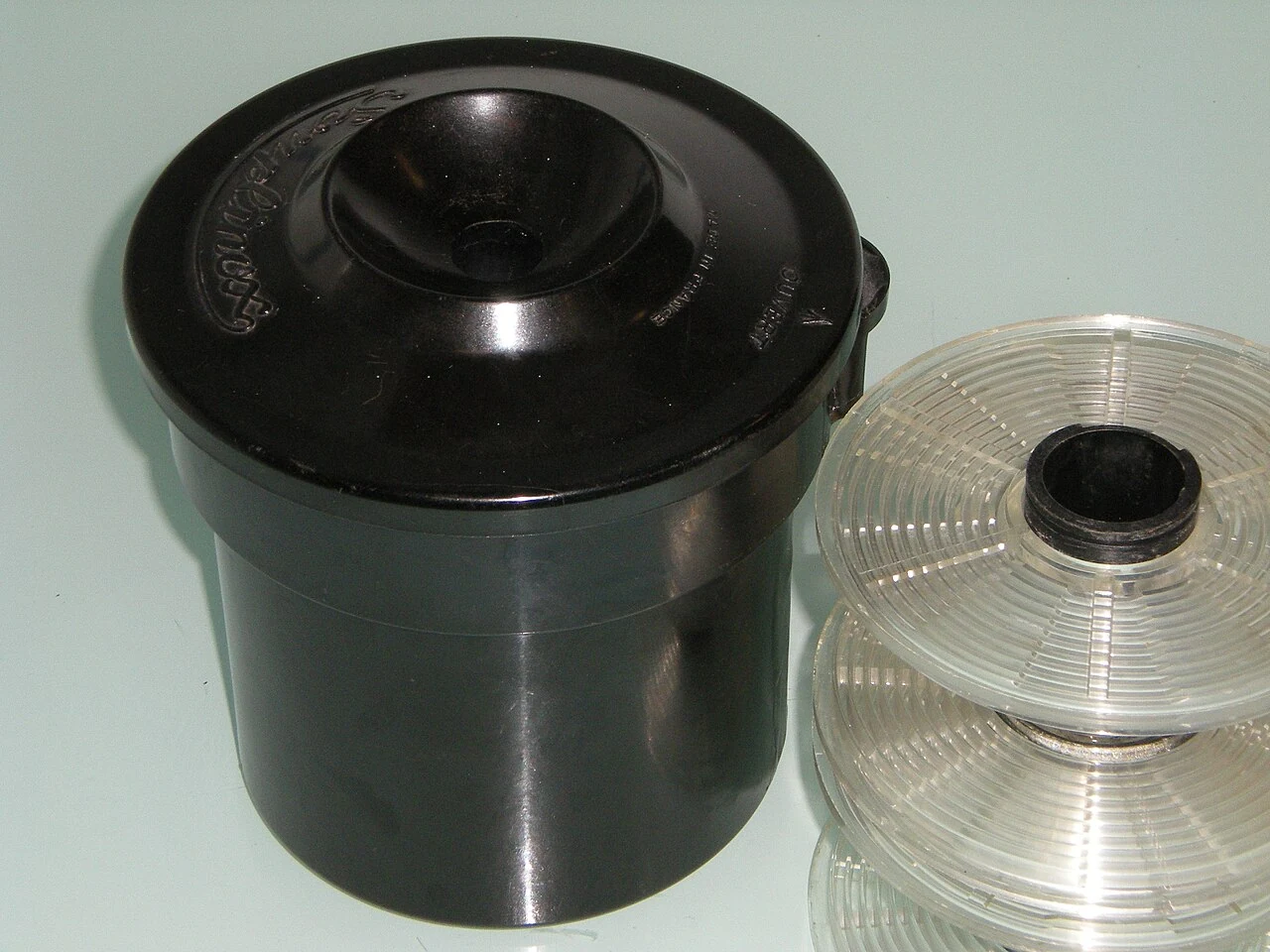

In the darkroom
Pushing film: what the laboratory actually changes
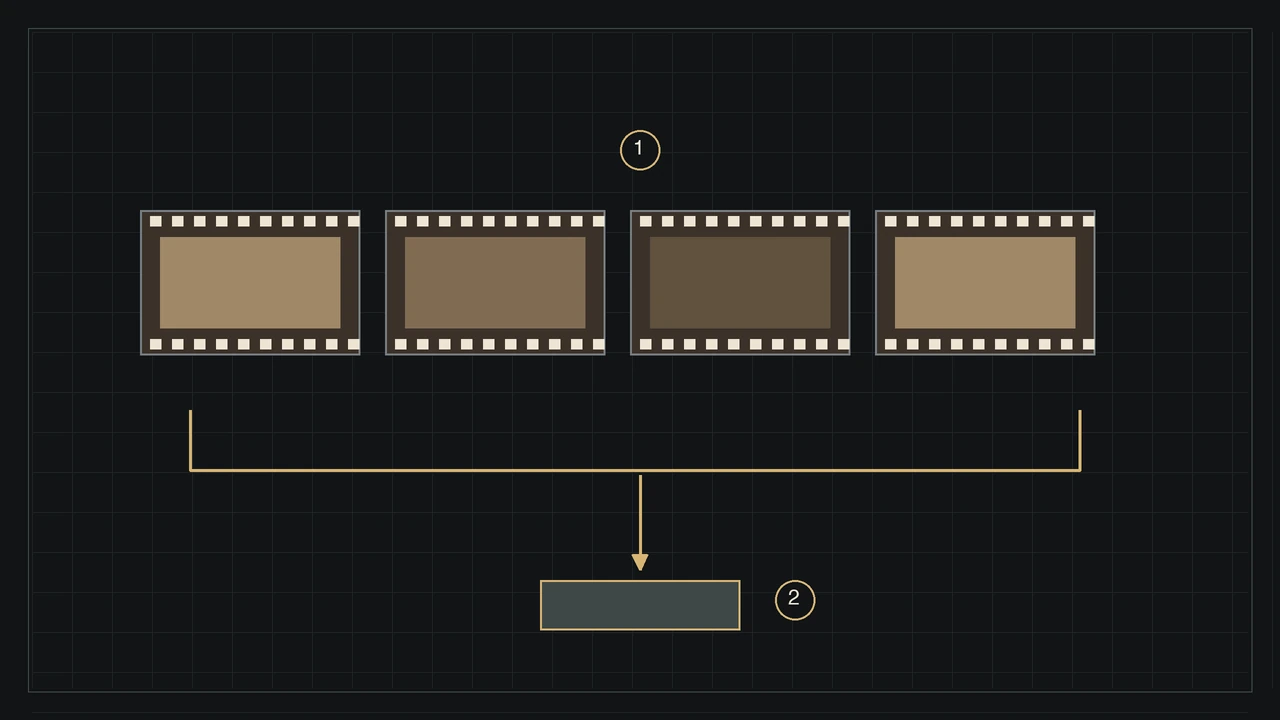
“400 film pushed to 1600” describes a working method, not a magical replacement of the emulsion. Separate the light received during capture from the development applied afterwards. Their relationship explains both the usefulness of push processing and the information it cannot restore.
Remember this
Moving from EI 400 to EI 1600 normally gives two stops less exposure for an equivalent reading. Stronger development may produce a useful image, but does not recreate unrecorded detail. The appropriate process depends on the stock, chemistry and intended result.
ISO speed and exposure index describe different things
ISO speed characterises film using a standardised method; exposure index, or EI, is the value used to guide a particular shoot. Choosing another EI changes the meter’s indications. Turning a dial does not physically replace the emulsion that is already loaded or guarantee the same change in measured sensitivity.
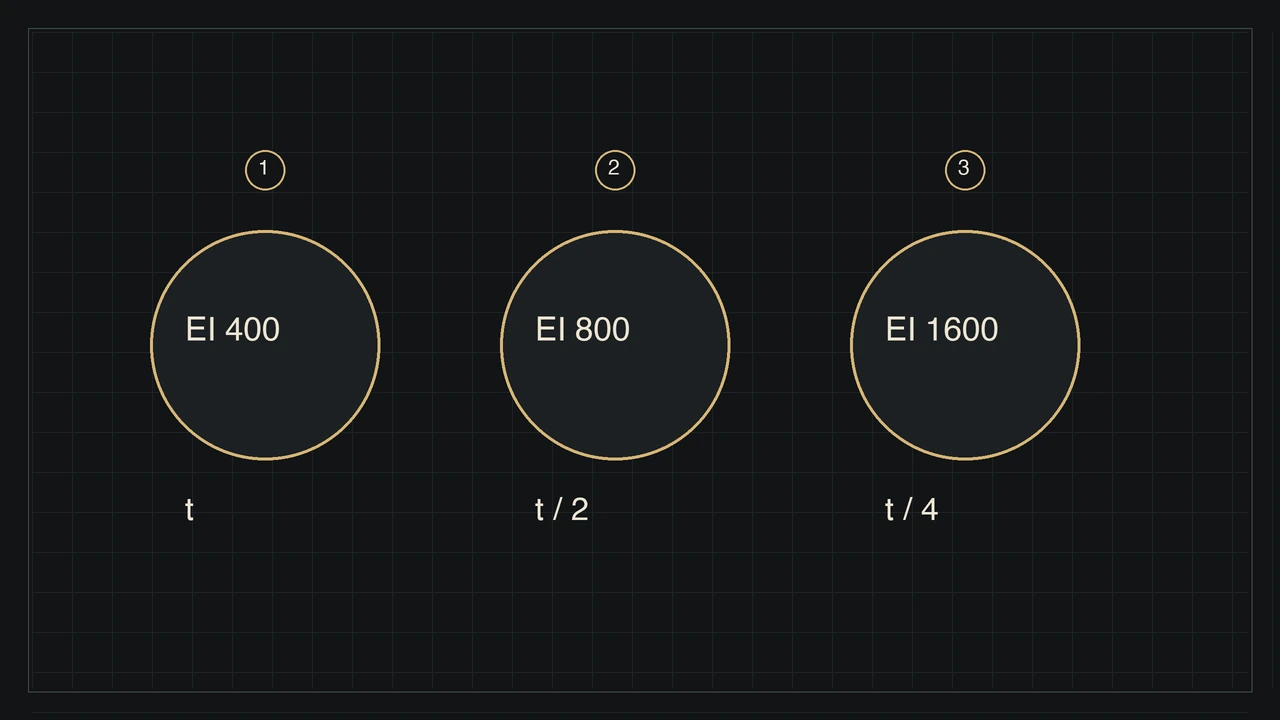
With steady light and an unchanged aperture, moving from EI 400 to EI 800 normally halves the indicated exposure time. Moving to EI 1600 quarters it. Those ratios describe an exposure decision rather than proof that the material has acquired a genuine two-stop increase in photographic speed.
Commercial names and working recommendations do not always communicate the same kind of number. Some products are intended for several exposure indices and processing choices. Check the exact film and its technical data instead of deriving a development recipe from a box label or an unrelated example online.
What stronger development can do
In common practice, pushing often combines reduced exposure with stronger development, usually through a longer time. The laboratory influences image formation after capture. It cannot return to the original scene and put the missing photons into a face or garment that received too little light when the shutter opened.
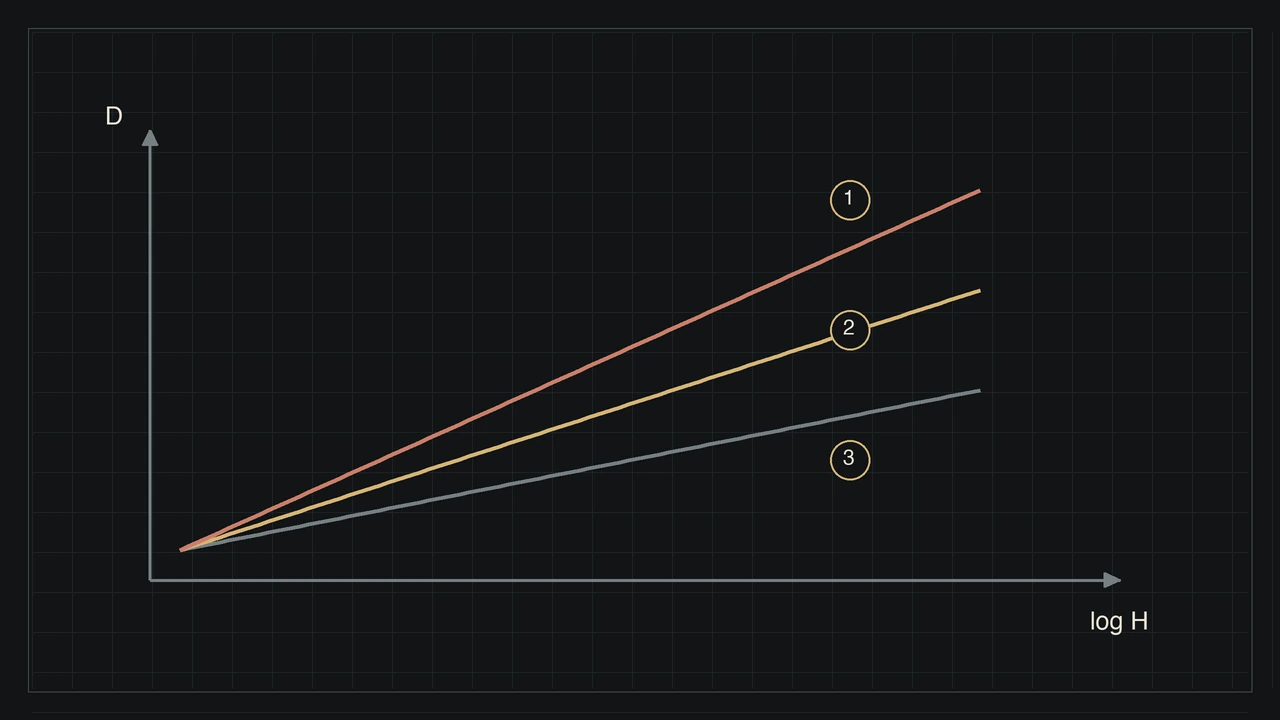
Midtones and strongly exposed regions may respond more than the weakest shadows. Contrast and the appearance of grain can increase. The specific result depends on stock and developer: a “two-stop push” does not define a single characteristic curve, one guaranteed texture or an identical outcome across different products.
A documentary photographer may accept deep shadows in exchange for a shorter shutter time. A portrait requiring texture in dark fabric may call for another compromise. The process is not intrinsically better or worse; its usefulness depends on what must remain visible under the lighting conditions actually available.
Pull processing does not erase an exposure
Pulling means reducing development relative to the reference process. It may accompany a lower exposure index or a search for reduced contrast. Giving more light during capture and reducing development afterwards remain separate operations, even when the photographer deliberately combines them within the same working method.
With black-and-white negatives, the approach can help control high densities in a contrasty scene. It does not automatically correct every exposure error or preserve every material. A low-contrast scene and a landscape in direct sunlight do not necessarily benefit from the same development adjustment.
Avoid universal recipes such as reducing every film’s development time by twenty percent. Time, temperature, dilution, agitation and developer condition interact. Manufacturer charts provide starting points to test, rather than a universal calculation that transfers between unrelated emulsions and chemicals without practical verification.
One roll normally shares one development process
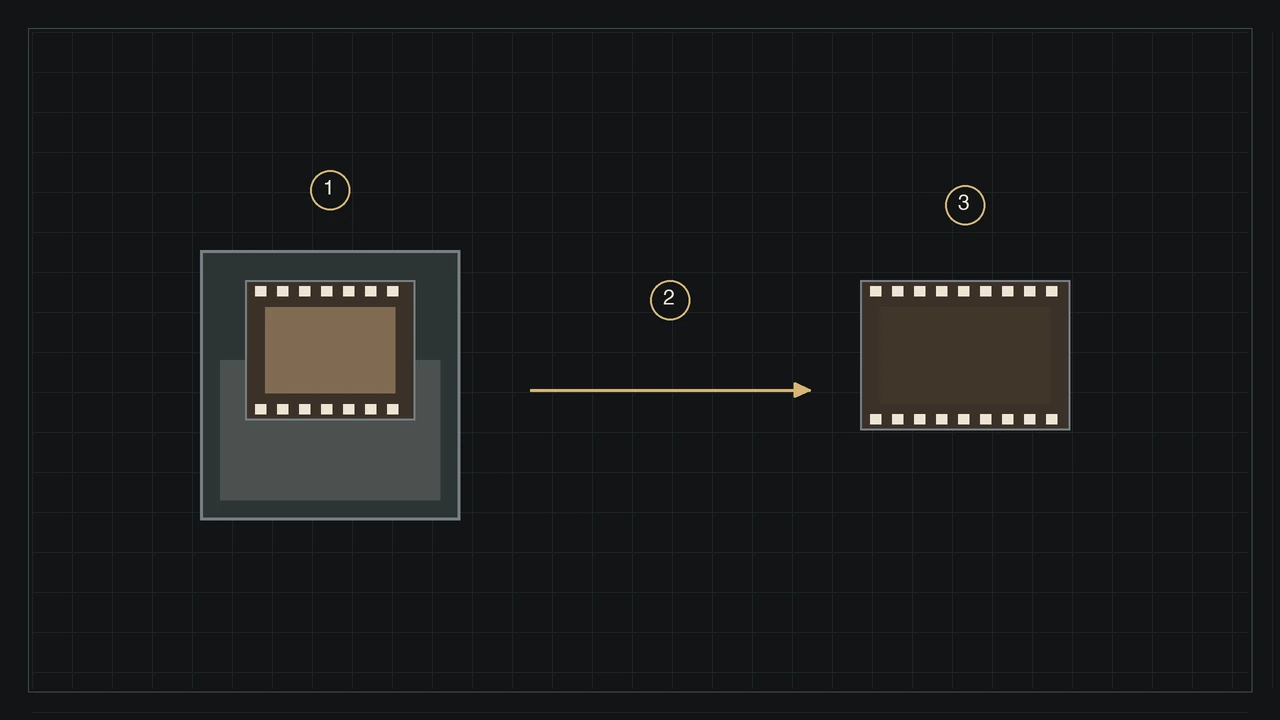
A roll developed in a tank normally receives a common treatment across its frames. If you change EI halfway through without recording it, the laboratory cannot simply give each attached frame a separate development time. Individual exposures differ, but the chemistry is shared by the uncut length of film.
Before an important shoot, ask which processes the laboratory offers for your stock and how it records requests. Label the film, the EI used and the desired processing. This avoids “1600” being mistaken for a product name instead of your chosen exposure index and a specific instruction to discuss.
Black-and-white film, colour negatives and transparencies use different processes. Advice for HP5 PLUS in one developer is not automatically a C-41 or E-6 rule. With colour materials, imbalance between layers may also affect the rendition; discuss the intended appearance with the laboratory rather than assuming equivalence.
A comparison that isolates useful decisions
Start with a practical question: achieving a short enough exposure time, keeping coat texture or seeking a particular contrast. Compare documented captures and identified processes. Changing stock, lighting and scanner at the same time makes it difficult to establish what actually caused a difference in the final photographs.
Request consistent scans and examine shadows, midtones and highlights separately. Automatic brightness correction may conceal an exposure difference without repairing the negative. Keep your notes and assess the files at the intended output size rather than relying on an arbitrary enlargement or a single overall brightness impression.
A digital exposure or grain slider is not a chemical bath. Kolorshift interprets files without pushing physical film or changing your phone’s sensitivity through a film look. Read exposing a negative to keep capture, development and later interpretation distinct.
Sources and further reading
From reading to making images
Explore filmsKeep exploring
All stories
Exposing a negative: keep shadow detail and protect the light
Metering, latitude and density: a practical way to expose negative film and understand the limits of a scan.
Read the story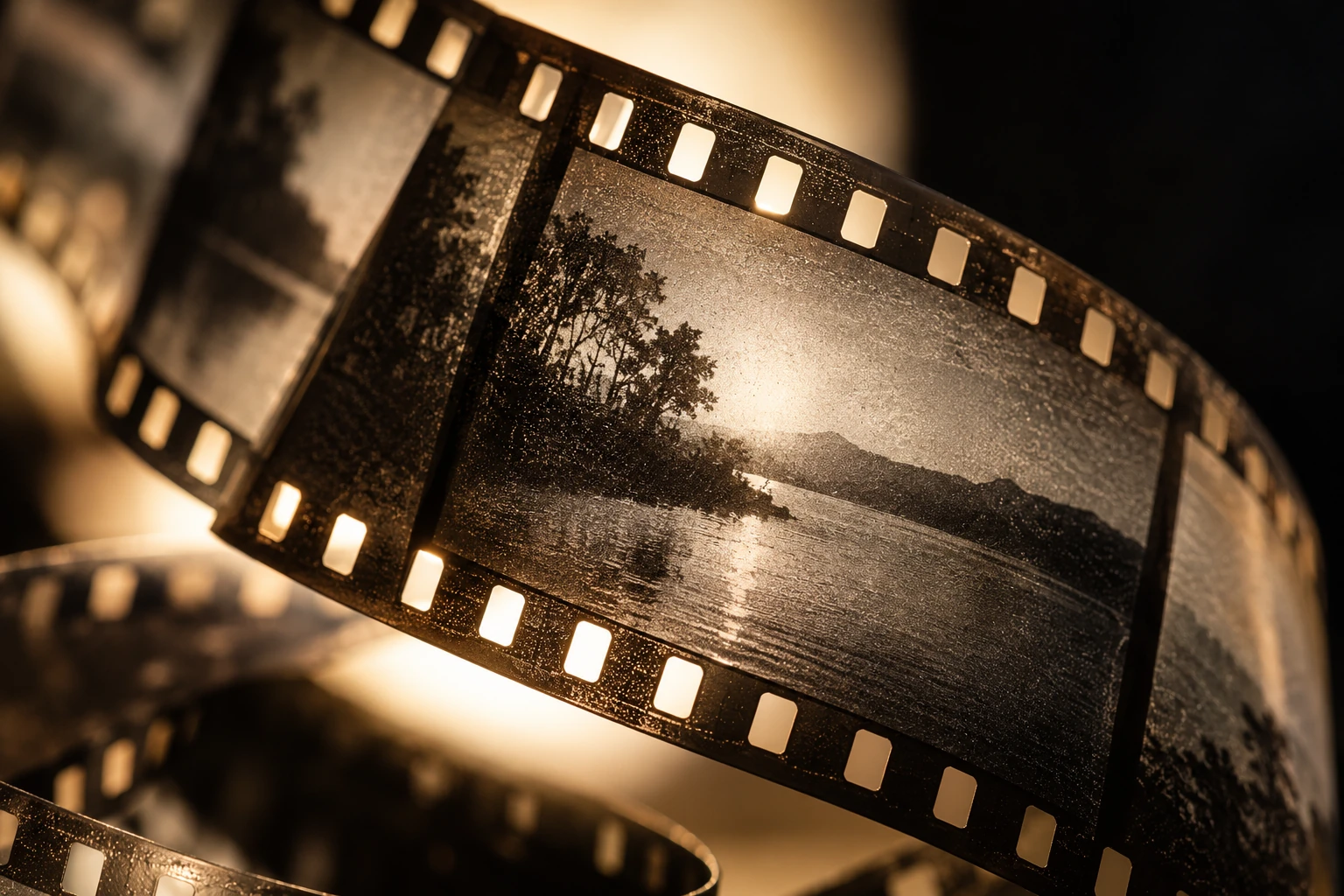
Film grain: what you see and what the emulsion makes
Light-sensitive crystals, developed silver, dyes and enlargement: understand grain without treating it as a simple defect.
Read the storyShare this article
An idea worth passing on.